Building Envelopes And Easements On The Mesas
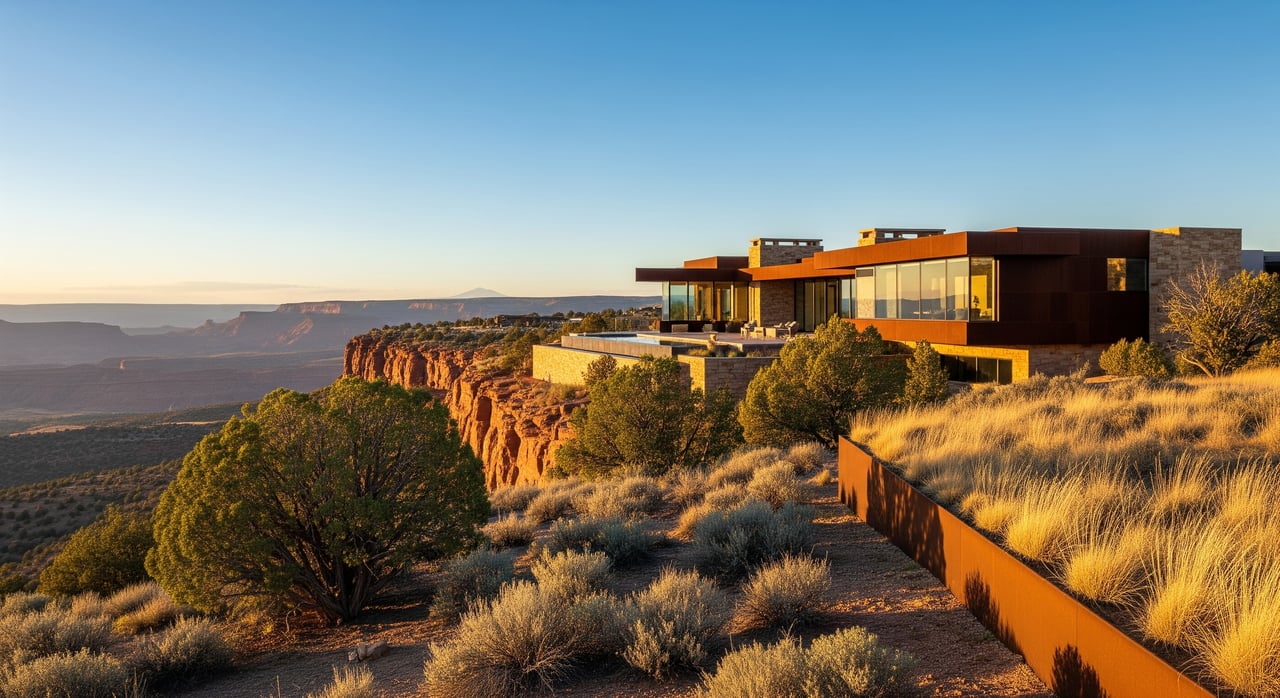
Buying a mesa parcel in Mesa County can feel thrilling. The views stretch forever, but the fine print on your deed and plat matters more than the horizon. If you miss how building envelopes and easements limit where you can build or access your land, you risk costly delays. This guide explains what these terms mean, how they affect your plan, who to call in Mesa County, and the steps that keep your project on track. Let’s dive in.
A building envelope is the specific area on a parcel where you are allowed to place structures and related improvements. It can be set by a recorded plat, deed restriction, or a conservation easement. It often avoids steep slopes, sensitive habitat, wetlands, or preserved open space.
If an envelope is recorded, it runs with the land and binds future owners. Changing it typically requires a county plat amendment or, if tied to a conservation easement, formal approval from the easement holder. Always verify the envelope on the recorded documents rather than relying on marketing maps.
Easements are recorded rights that control how you use parts of the land. They can be as important as zoning for what you can actually build and where.
An access easement grants a legal right to travel over another property to reach your parcel. Look for details such as width, surface type, maintenance duties, snow removal, gates, and whether others share the road. Physical access is not enough. You need recorded, insurable access that connects to a public road.
Utility easements allow installation and maintenance of power, water, sewer or telecom. They can be corridor specific and may prohibit construction within the easement zone. Confirm where the nearest service points are and whether you have a recorded corridor to extend utilities.
A conservation easement is a recorded agreement that limits development to protect conservation values. Many allow building within designated envelopes with strict conditions. Others may prohibit additional dwellings. The easement deed and its baseline documentation will spell out allowed uses, building sizes, driveway locations, vegetation removal, and lighting limits.
Local rules shape how envelopes and easements work on the ground. Before you design, contact the following authorities to confirm current standards:
These departments will help you verify what your title documents allow and what permits you need.
Start with a current title report and pull every referenced instrument. Then review each document line by line. Key items to confirm:
If language is unclear, consult a real estate attorney experienced in rural Colorado and conservation easements.
Mesas bring unique terrain and climate. These physical realities affect where you can build, even inside a legal envelope.
Mesa edges often have steep drop-offs, rock outcrops, and shallow soils. Commission a slope analysis and a geotechnical review to understand foundation needs and drainage. Use soils data to evaluate septic suitability and infiltration rates before you finalize a house site.
Driveways must meet county and fire district standards for width, grade, and turnarounds. Seasonal access can be a factor. If a road is summer only or not plowed, you may have insurance and delivery constraints. Confirm shared maintenance obligations and any bridge or culvert responsibilities in the access easement.
Distance to the nearest power line, telecom backhaul, and water source drives cost. Many rural parcels rely on private wells and onsite wastewater systems. Ask utility providers for written estimates and lead times. Plan trench routes that respect recorded utility corridors and avoid steep slopes or sensitive areas.
Mesa settings can fall within the Wildland Urban Interface. Expect to create defensible space and follow ember-resistant construction practices where required. Stormwater can concentrate along mesa rims and swales. Your site plan should include grading that manages runoff without pushing water onto neighbors or roadways.
Use this sequence to reduce risk and surprises.
Create an annotated site plan that integrates legal and physical constraints. Include:
Sometimes an envelope can be modified, but you should not assume it. If the envelope is part of a conservation easement, the holder must approve changes and some deeds prohibit relocation. If it is on a recorded plat, you may need a county plat amendment. Either path takes time and is not guaranteed. Build your purchase and design timeline accordingly.
You can reduce risk before you close with a few practical steps:
Mesa parcels often require a coordinated team. Consider engaging these professionals early:
Their input will help you confirm what is feasible inside your envelope and how to meet county and state requirements.
If your dream home sits on a mesa in Mesa County, the right plan starts with the right documents. Lock down your envelope and easements, confirm access and utilities, then design within those lines. If you want a calm, expert guide through the process, reach out to Allison Templin. Let’s connect and move forward with confidence.
Stay up to date on the latest real estate trends.
A private mountain property gaining national attention.
Allison joined the Telluride Properties team in 2002 and is extremely excited to be working with the region’s premiere real estate agency as well as with many of Telluride’s most successful real estate brokers. She looks forward to helping newcomers find their special Telluride property and assisting established residents and second-homeowners in finding new homes.