Ski-In Ski-Out Living in Mountain Village Explained
Shopping for a place on the slopes in Mountain Village and noticing every listing claims “ski‑in/ski‑out”? You are not alone. The term gets used widely, and it can describe very different day‑to‑day experiences. In a few minutes, you’ll learn what ski‑in/ski‑out means here, how it differs from walk‑to‑lift and gondola access, and how to verify a listing before you buy. Let’s dive in.
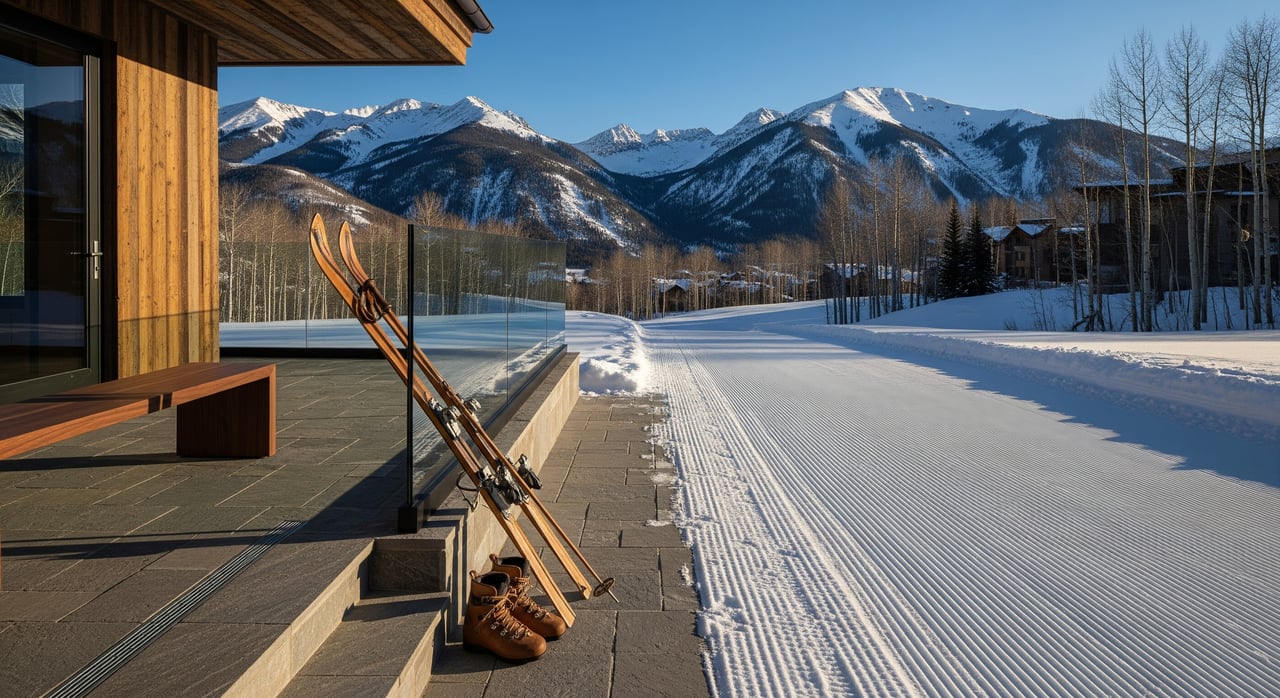
There is no universal legal standard for “ski‑in/ski‑out.” In Mountain Village, the most reliable definition is simple: continuous skiable surface between the property and the trail or lift, both coming and going. That means you can step out, click in, and ski directly to a run or lift, and then ski back to the building without using roads, shuttles, or long walks.
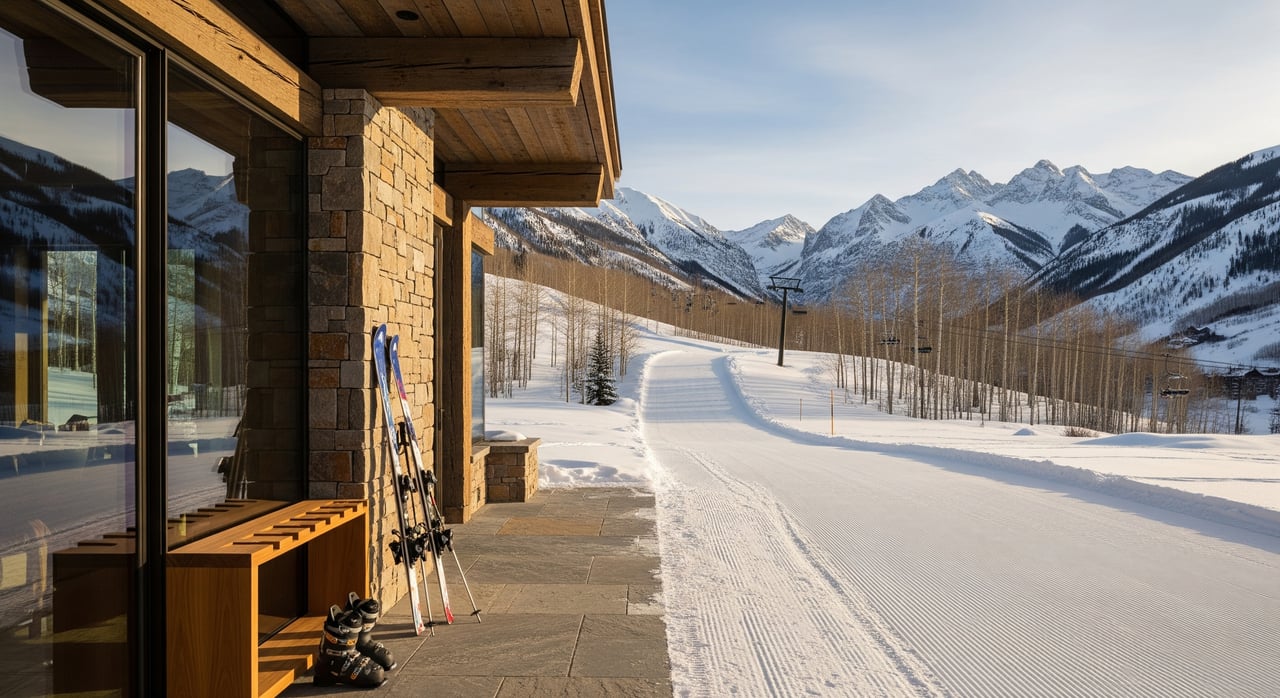
This is the gold standard. You exit the building at a skier door, step onto a groomed run or dedicated connector, and glide to a lift or on‑mountain terrain. Returning home, you ski back to the same interface. Many true slopefront properties include ski lockers, gear rooms, and slope‑side entries that make transitions quick.
These homes and condos sit within a short walk of a lift or gondola. You might carry skis, navigate a sidewalk, or cross a plaza before clicking in. Some include short, groomed connectors, but you still need an on‑foot transition. It is convenient, but not immediate on‑snow access.
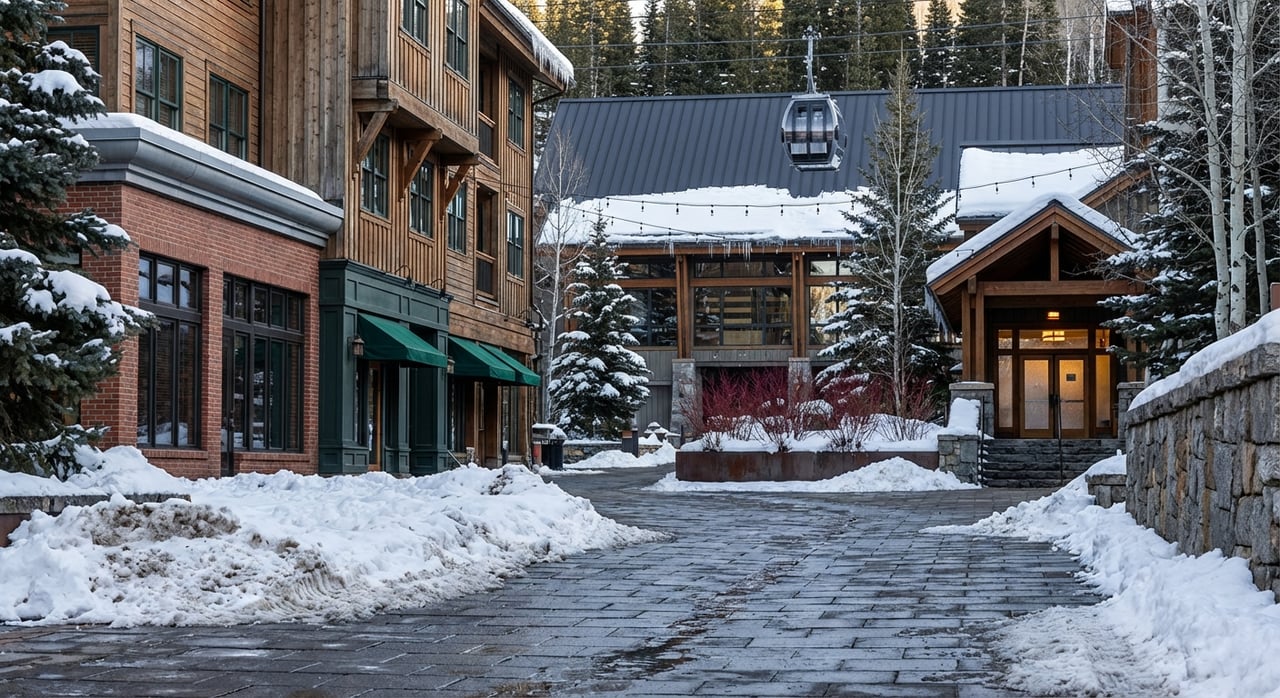
In Mountain Village, many properties rely on the free gondola that links the Mountain Village core and the Town of Telluride. It is a huge perk for dining, services, and getting to the base area. Still, gondola‑access is different from direct ski access because it requires a ride and often a short walk.
Mountain Village is integrated into Telluride Ski Resort’s trail network. Buildings sit in clusters around groomed runs, connector trails, plazas, and wooded slopes. This layout creates several access types, even within the same neighborhood.
Even slope‑adjacent properties depend on snowpack and grooming schedules. Early or late season, or during low snow, a connector may not be skiable unless it benefits from snowmaking and regular grooming. Reliability improves when a run is groomed consistently and maintained by the resort or an HOA.
Regional avalanche management and resort operations keep controlled terrain safe, but private pathways and undeveloped slopes are different. When you evaluate a property, consider where maintained, controlled terrain ends and any private or unmaintained areas begin.
Short‑term rental rules, licenses, and HOA policies shape how you and your guests use ski access points. In Mountain Village and San Miguel County, confirm permitting requirements, allowed uses, and any building‑specific restrictions before you buy.
Marketing language can be vague. Use a documentation‑first approach and test the route yourself.
The right services can make ski access smooth and dependable.
Slopefront buildings often have higher dues to support snow removal, exterior maintenance, and sometimes grooming contributions. Look for well‑funded reserves and any special assessments tied to slope infrastructure, retaining walls, or erosion control.
Proximity to the slope maximizes on‑snow time but can come with more foot traffic and lift noise. Walk‑to and gondola‑access properties may trade immediate ski access for easier reach to restaurants, services, and parking. If you plan to rent, slopefront units can see stronger demand but may be subject to stricter rules and higher operating costs.
Access type influences pricing, resale, and underwriting.
True ski‑in/ski‑out typically commands a premium, stronger rental interest, and potentially faster resales. The size of that premium depends on the quality of access, building amenities, views, and condition. There is no single percentage to rely on, so compare like‑for‑like sales by access type.
Appraisers seek comparable sales with matching access levels. If a claim is ambiguous, valuation can get complicated. Lenders focus on marketability and clear, documented access, so undocumented easements or disputed routes can create risk.
Use precise language. For example, say “direct, groomed connector to [named run] with ski return to lower‑level entry” rather than a generic “ski‑in/ski‑out.” Provide maps, photos, and HOA excerpts that show the route and who maintains it. Clear evidence supports negotiations and helps your appraisal.
Use this snapshot to match access type to your goals.
Every property here interfaces with the mountain a little differently. If you want a quiet, expert process to evaluate access, HOAs, and value, you can lean on local tenure and careful documentation to make a confident choice. If you are comparing several buildings, let’s map and time each route, review HOA rules, and align the lifestyle with your goals.
If you are ready to explore Mountain Village ski access in detail, connect with Allison Templin for clear guidance and on‑the‑ground verification.
Stay up to date on the latest real estate trends.
Allison joined the Telluride Properties team in 2002 and is extremely excited to be working with the region’s premiere real estate agency as well as with many of Telluride’s most successful real estate brokers. She looks forward to helping newcomers find their special Telluride property and assisting established residents and second-homeowners in finding new homes.