Everyday Living In The Town Of Telluride
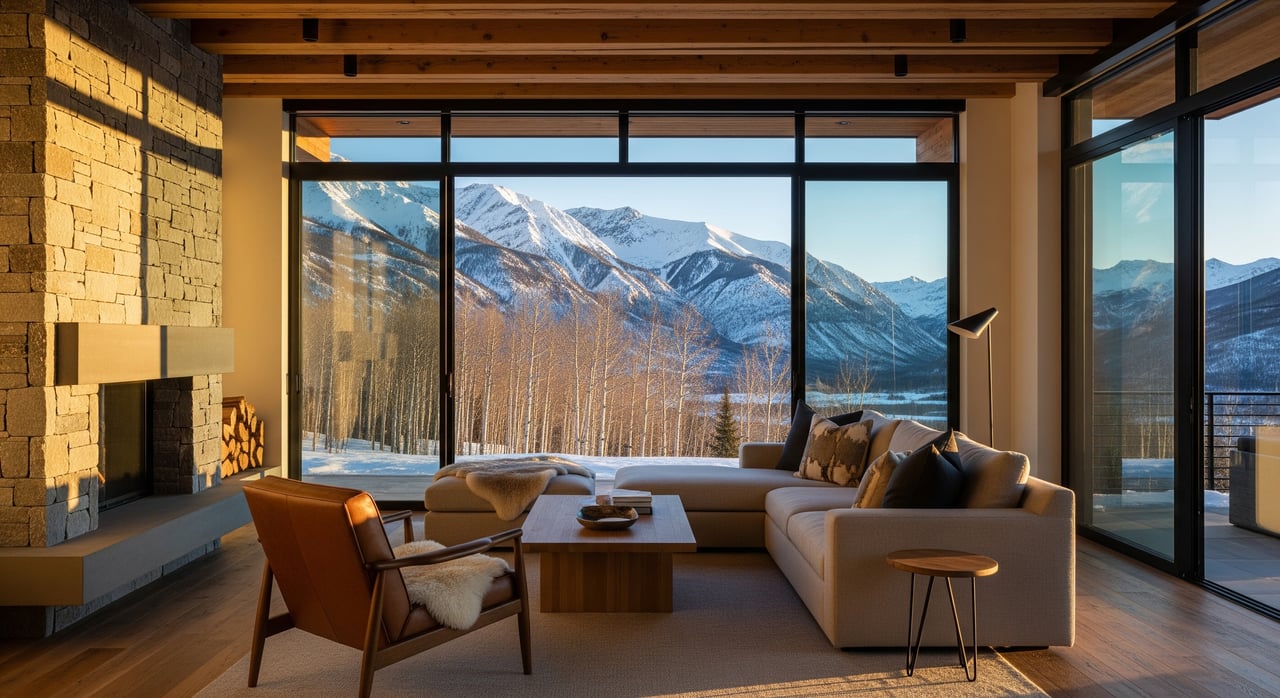
What does an ordinary Tuesday feel like at 8,700 feet in a historic mountain town that runs on skis, festivals, and neighborly routines? If you are weighing a second home or a full‑time move to Telluride, you want a clear picture of daily life beyond the postcard views. In a place this compact and walkable, the details of seasons, services, housing types, and local rules matter. This guide walks you through everyday living in the Town of Telluride so you can decide how the rhythm here fits your lifestyle. Let’s dive in.
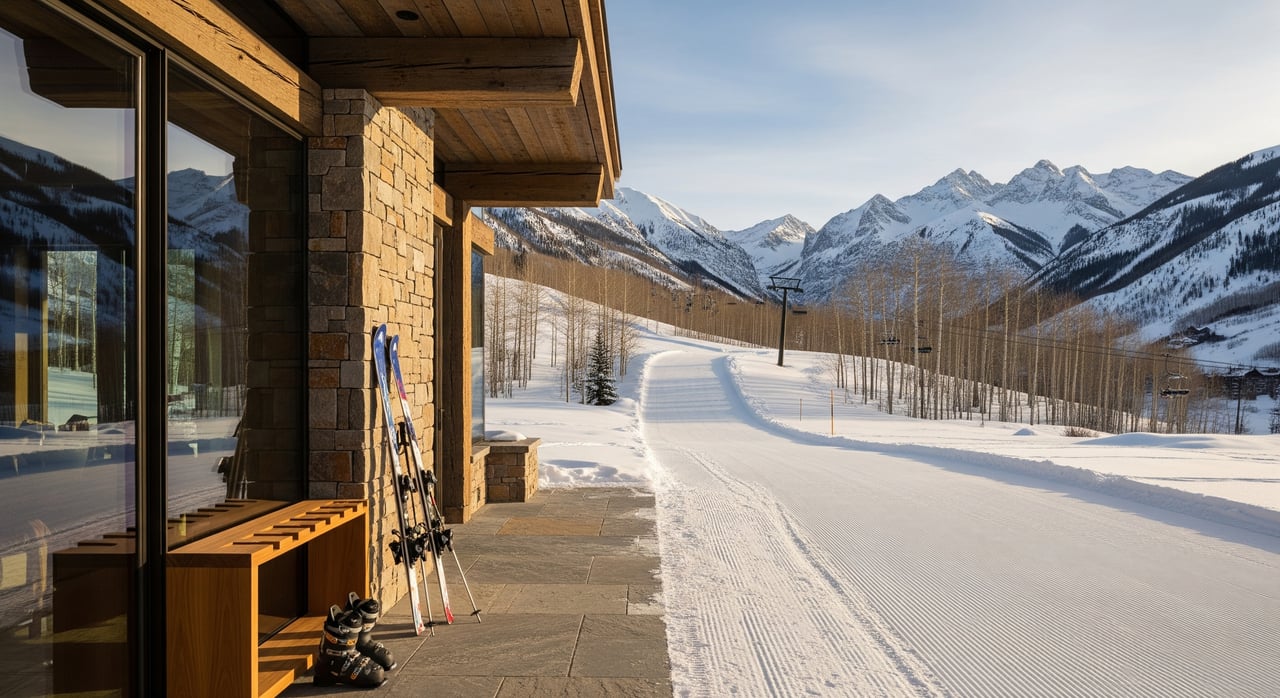
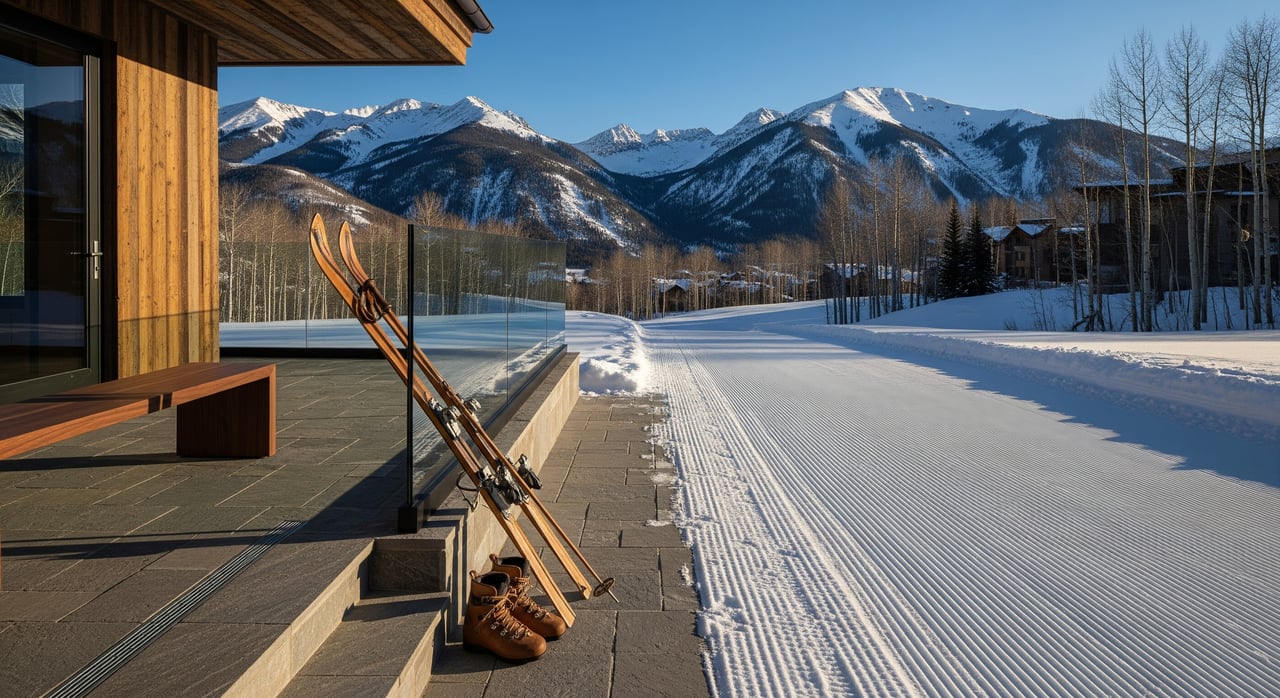
Life in town follows the seasons. In winter, ski season sets the pace. Streets are busier near lift hours and during peak weeks, and snow management shapes parking and walking routines. You will adjust your schedule around storm days and learn the best time to run errands.
Summer shifts to hiking, biking, and river time. Festivals bring energy and visitors, which lifts restaurant and nightlife activity. The sidewalks feel lively, and you will find yourself biking or walking to most daily needs.
Shoulder seasons calm down. Many businesses reduce hours, and locals enjoy quieter streets. If you plan to live here year‑round, you will notice how different spring and late fall feel compared to peak months.
Telluride’s town core sits on a compact, late‑19th‑century grid with short blocks and narrow streets. This pattern makes walking easy. Most days you can grab coffee, pick up groceries, meet a friend, and be back home without starting a car.
Historic district designations protect the town’s character. Exterior changes and some new development go through design review. As a homeowner, you plan projects with these guidelines in mind.
Narrow lots and historic parcels favor smaller footprints and vertical living. You will see a mix of period homes, condos in converted buildings, townhouses, and newer infill. Expect more multi‑level floor plans and fewer large yards inside the core.
If you want more space, parking, or modern footprints, you may look toward the edges of town, Mountain Village, or nearby county areas.
A standout feature is the free public gondola connecting Telluride and Mountain Village. Many residents use it daily for work, dining, and recreation. Local shuttles also help, and limited downtown parking nudges you to walk.
In winter, plan for snow and ice on sidewalks and steps. Good boots and a simple routine for traction make a big difference.
Downtown supports a range of eateries, cafes, bars, galleries, and outdoor outfitters. Grocery shopping and basics are available in town. For larger shopping runs, you may head to Mountain Village or regional centers.
Many businesses are small and locally owned. Hours often track the season. You get used to checking schedules, especially in spring and late fall.
Festivals shape the summer and early fall calendar. The Telluride Bluegrass Festival, Telluride Film Festival, and Mountainfilm are long‑running anchors. During festival weeks, expect higher downtown activity and greater demand for dining and lodging.
Warm months bring weekly and seasonal events like farmers markets, live music, and gallery openings. For many residents, the arts scene is part of daily life, with galleries and small performance venues active throughout the season.
If you are buying with rental income in mind, the festival calendar can influence occupancy and rates. If you are living here full time, you plan around peak dates for parking, dining, and hosting guests.
The Telluride School District R‑1 serves local students from kindergarten through high school. Families value the small, community‑oriented setting and outdoor‑focused opportunities that reflect the mountain environment. Private or alternative options are more limited, so you weigh fit and offerings within the local system.
After‑school and recreational activities exist but are smaller in scale than big cities. The tradeoff is easy access to trails, the gondola, and community programming that ties into the landscape.
Telluride has local medical services and clinics for routine care. For specialized treatment or hospital stays, you may travel to regional facilities. Emergency planning includes ambulance support and air medevac when needed because of the mountain setting.
Buyers should review local hazard information. Mountain snow, localized flooding in drainage areas, wildfire risk in wildland‑urban interface zones, and steep lots all factor into due diligence. Insurance needs can include coverage for wildfire, flood, or snow load depending on the property.
Air service often follows two paths. A small regional mountain airport operates seasonally, and a larger regional option, Montrose Regional Airport, is a longer drive. Many part‑time residents and visitors use shuttle services or private charters.
Road conditions change with winter weather. Travel times to regional towns vary by season, so you plan around storm cycles and road reports. In town, the gondola and local shuttles make a car‑optional lifestyle realistic for many daily needs.
Telluride is a limited‑supply resort market. Demand comes from ski access, the festival draw, the walkable historic core, and a strong second‑home audience. Prices are typically higher than non‑resort Colorado communities, and inventory can be tight.
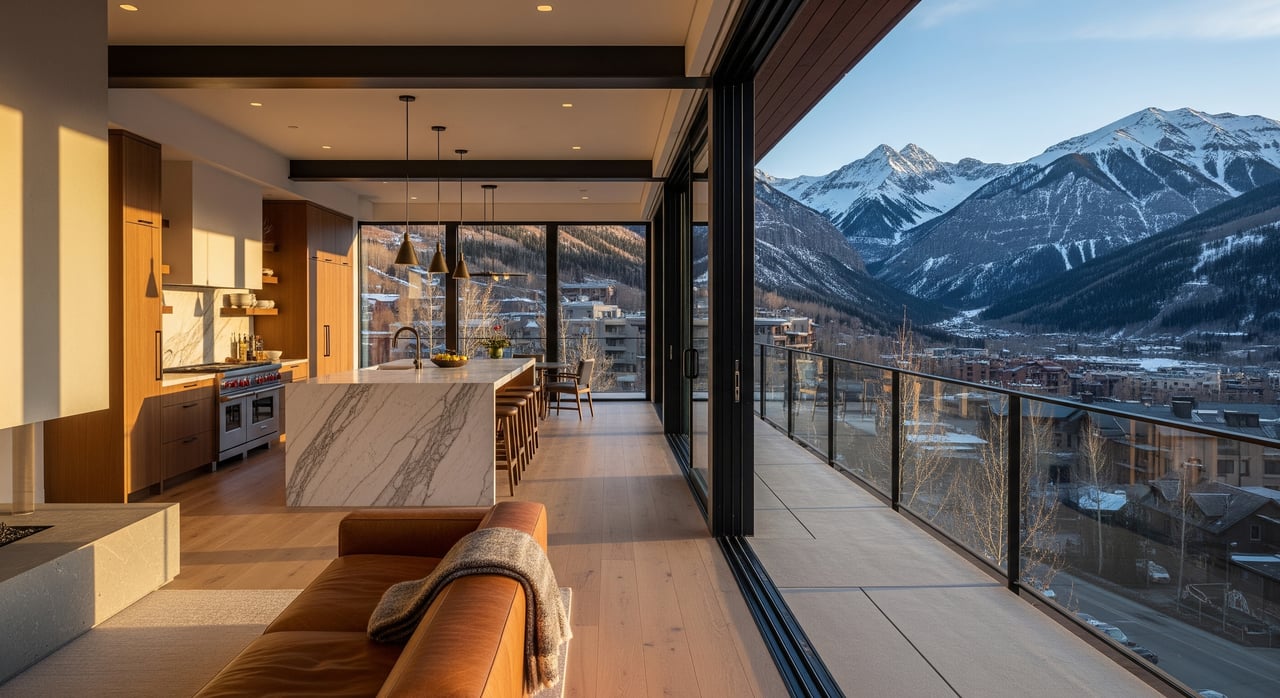
Common options include historic single‑family homes, condos and townhomes, newer infill, and properties in Mountain Village or county settings. Inside the core, expect smaller lots and multi‑story layouts. On the outskirts you see larger lots, modern designs, and more parking.
Short‑term rentals are controlled by local ordinances. Licensing, taxes, and compliance standards may apply, and rules can change. If you plan to rent your home, verify the current regulations with the town or county and consult local property managers.
Property taxes follow Colorado’s assessment framework, and resort areas often layer local sales and lodging taxes that affect rental math. Budget for HOA dues where applicable, utilities, and winter maintenance such as snow hauling or driveway plowing. At this elevation, inspections should pay close attention to roofs, heating, insulation, and drainage.
Everyday life here blends outdoor access, a tight street grid, and an arts and festival culture that punches above its size. Many residents value the ability to walk to everything and ride a free gondola instead of driving. The tradeoffs include higher housing costs, seasonal crowding, winter travel logistics, and a smaller retail base.
If you are seeking a compact mountain town with character, community involvement, and year‑round inspiration, Telluride delivers. The key is choosing the right property type and location to match how you plan to use your home.
Ready to talk through neighborhoods, housing types, and timing? Connect with Allison Templin for calm, local guidance tailored to how you want to live here.
Stay up to date on the latest real estate trends.
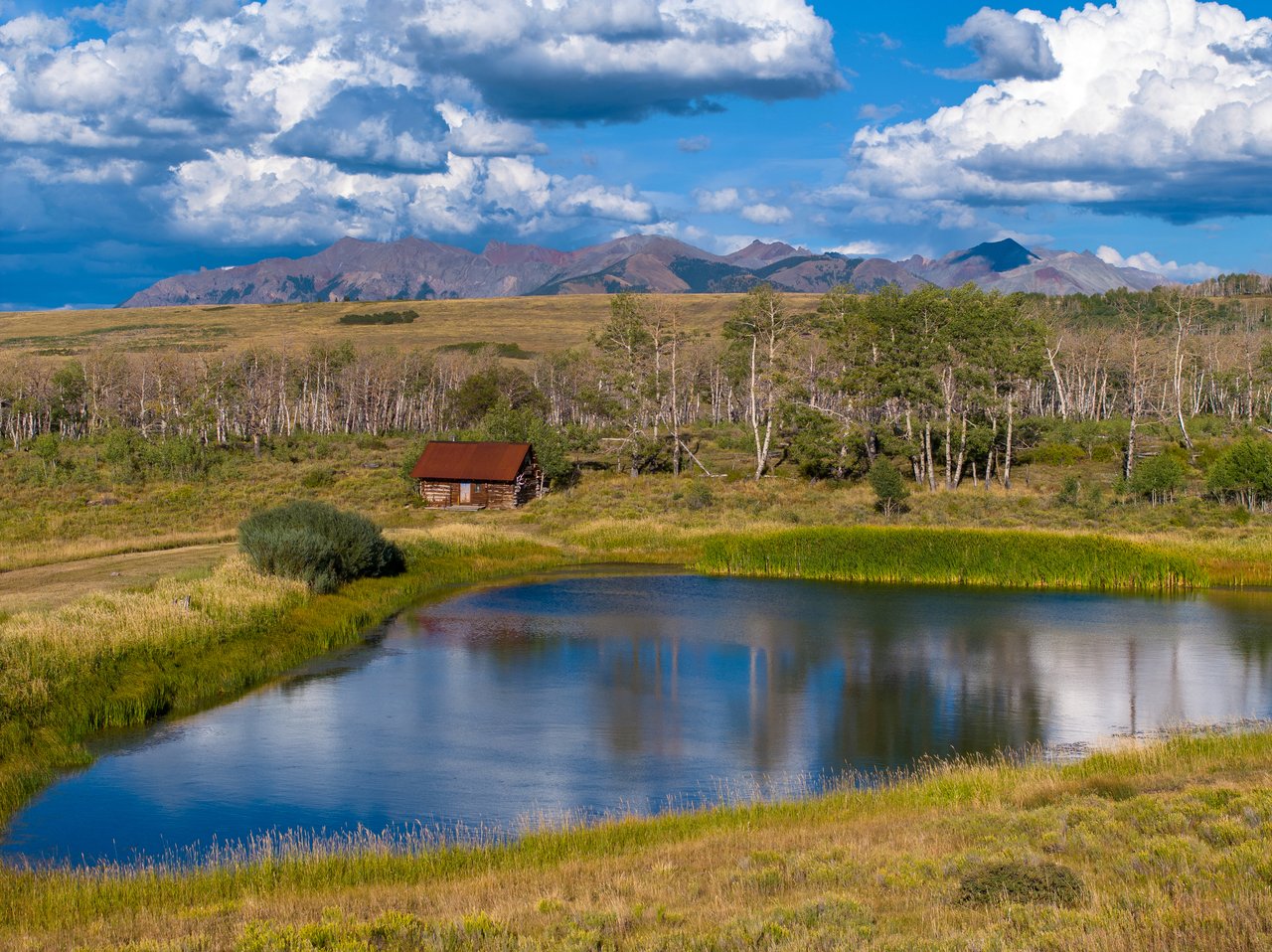
A private mountain property gaining national attention.
Allison joined the Telluride Properties team in 2002 and is extremely excited to be working with the region’s premiere real estate agency as well as with many of Telluride’s most successful real estate brokers. She looks forward to helping newcomers find their special Telluride property and assisting established residents and second-homeowners in finding new homes.