Decoding the Telluride Ski-In Ski-Out Meaning for Buyers
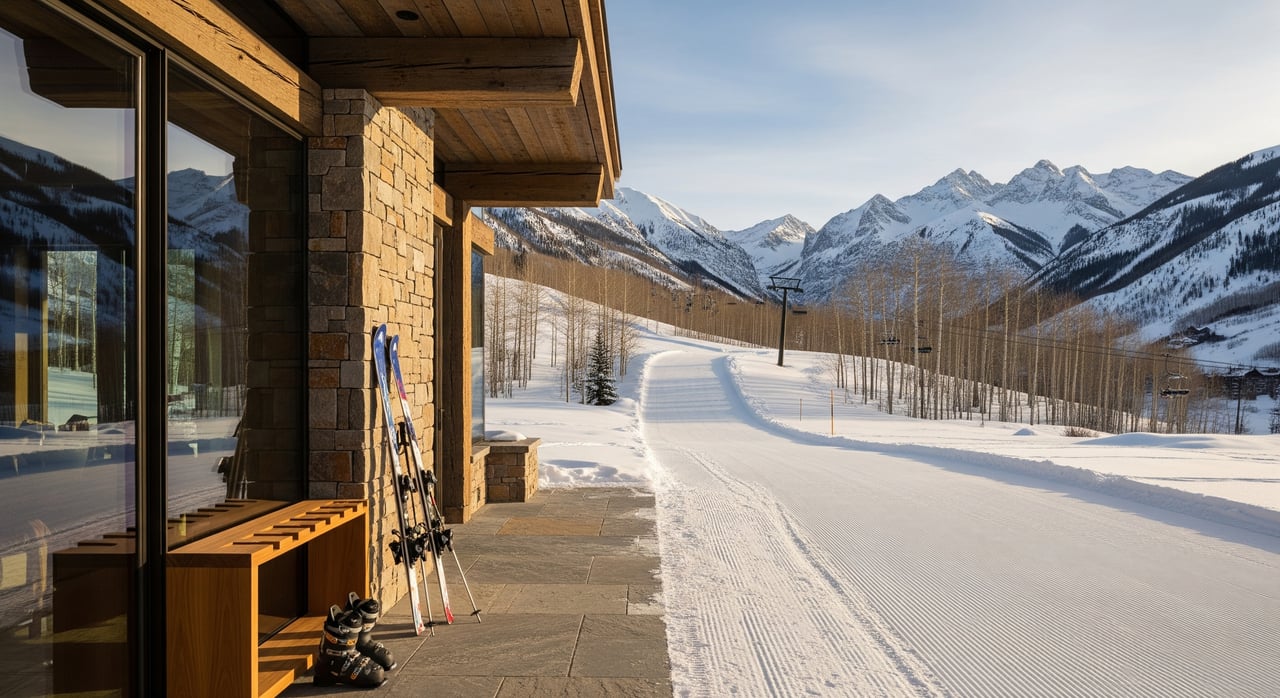
Picture this: you step out your door, click into your skis, and glide straight to a lift. That is the dream, but in Telluride, the phrase “ski-in/ski-out” can mean several different things. If you are buying here, the difference between true on-slope access and a short walk or shuttle ride matters every single day of your ski season. In this guide, you will learn the exact definitions, the local terrain factors that change access, and a simple verification process so you can buy with confidence. Let’s dive in.
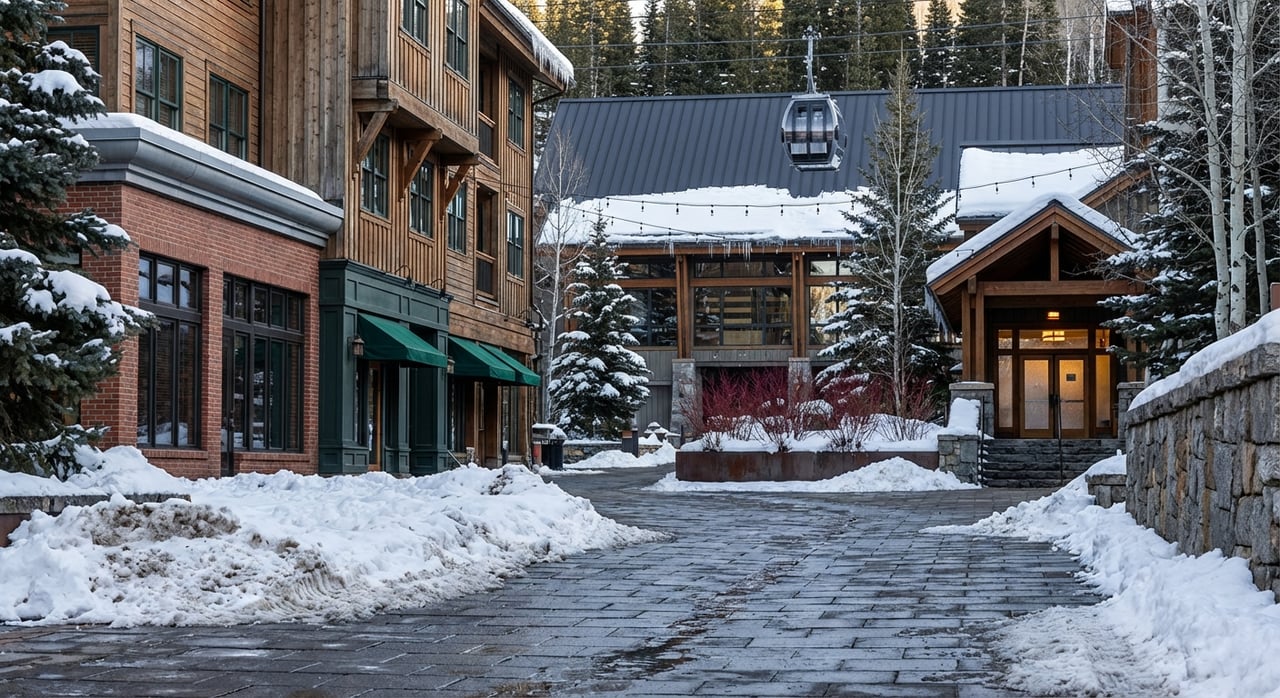
Telluride’s real estate clusters in the historic Town of Telluride in the valley and in Mountain Village higher on the ski hill. The free gondola links the two, and walking time to gondola stations is often used as a convenience metric on its own. For planning your day-to-day routine, review the Town’s official gondola information and Mountain Village’s village maps.
A short straight-line distance to a run does not guarantee ski access in both directions. Fall-line pitch, cat-tracks, and traverses determine whether you can actually start and finish your day on skis. Cross-check the official trail map to confirm there is a continuous, marked route from your door to a lift and back.
Mountain Village sits higher than Town, which often means better snow retention and more reliable late-season returns on skis. South and west aspects warm earlier, while north-facing and shaded lines hold snow longer. Local weather swings affect afternoon conditions, so it helps to keep an eye on the region’s National Weather Service forecast office.
Early and late season, some lower or mid-elevation connections may close or be restricted. Grooming schedules and skier traffic can make certain traverses slick or rutted by afternoon. Always consider how the route skis at different times of day, not just in morning corduroy.
A property can sit beside a run yet lack a recorded easement that allows you to traverse between the building and the snow. Ask for recorded documents and verify in county records before you rely on a marketing claim.
If your route crosses resort terrain, lift operations and boundary policies will control access. Temporary closures, avalanche mitigation, and lift shutdowns can affect whether a return path is open at the end of the day.
Some HOAs require use of specific pedestrian paths or restrict skiing across development grounds. Stairs, elevators, and snow-clearing routines can also change the practicality of clicking in at the door.
Steep gullies or adventurous lines are not everyday returns for most owners. If nearby terrain requires avalanche control or sees frequent operational holds, factor that into your definition of “regular” ski access.
Use three layers together for clarity:
Signs you likely have true ski-in and ski-out:
Red flags to investigate:
When saving searches, include positive keywords like “ski-in,” “ski-out,” “on-piste,” “direct ski access,” and “ski access easement.” Treat “walk to lift,” “near gondola,” and “slope views” as prompts to verify on a map and in documents.
Use map tools to draw polygons around gondola stations, lift terminals, and contiguous run corridors in Mountain Village and Town. Save two searches: one for parcels that abut marked runs and another for homes or condos within a 5 to 10 minute walk of the gondola or lifts. Compare the tradeoffs side by side.
If slope access is a key reason you are buying, include a contingency that requires proof of a recorded ski-access easement and the ability to return to the property entrance during normal lift operations. Work with your broker and attorney to tailor the language to your situation.
A dedicated ski room, lockers, and boot heaters make any access type easier. If you are walk-to-gondola, consider on-site storage or lockers near a base area.
If your group spans levels, make sure the start and return use groomed runs that match the least experienced skier. Steep or narrow returns can turn a “ski-in” into a walk for part of the family.
On rest days or storm holds, walking proximity to the gondola, village plazas, and plowed paths matters. Use Town and Mountain Village resources to review gondola information and pedestrian routes on the village maps.
Ready to sort real ski access from marketing language and find the right fit for your lifestyle. Connect with Allison Templin for calm, expert guidance and a tailored search.
Stay up to date on the latest real estate trends.
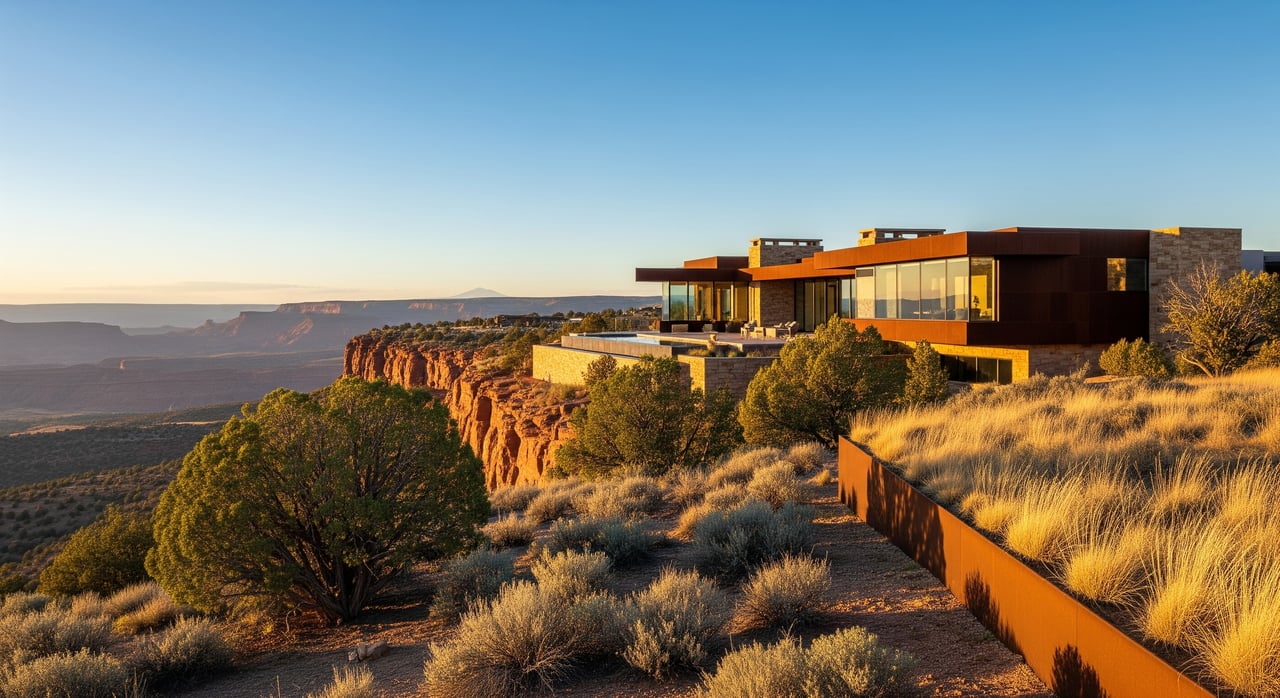
A private mountain property gaining national attention.
Allison joined the Telluride Properties team in 2002 and is extremely excited to be working with the region’s premiere real estate agency as well as with many of Telluride’s most successful real estate brokers. She looks forward to helping newcomers find their special Telluride property and assisting established residents and second-homeowners in finding new homes.