What It’s Like To Own In Mountain Village
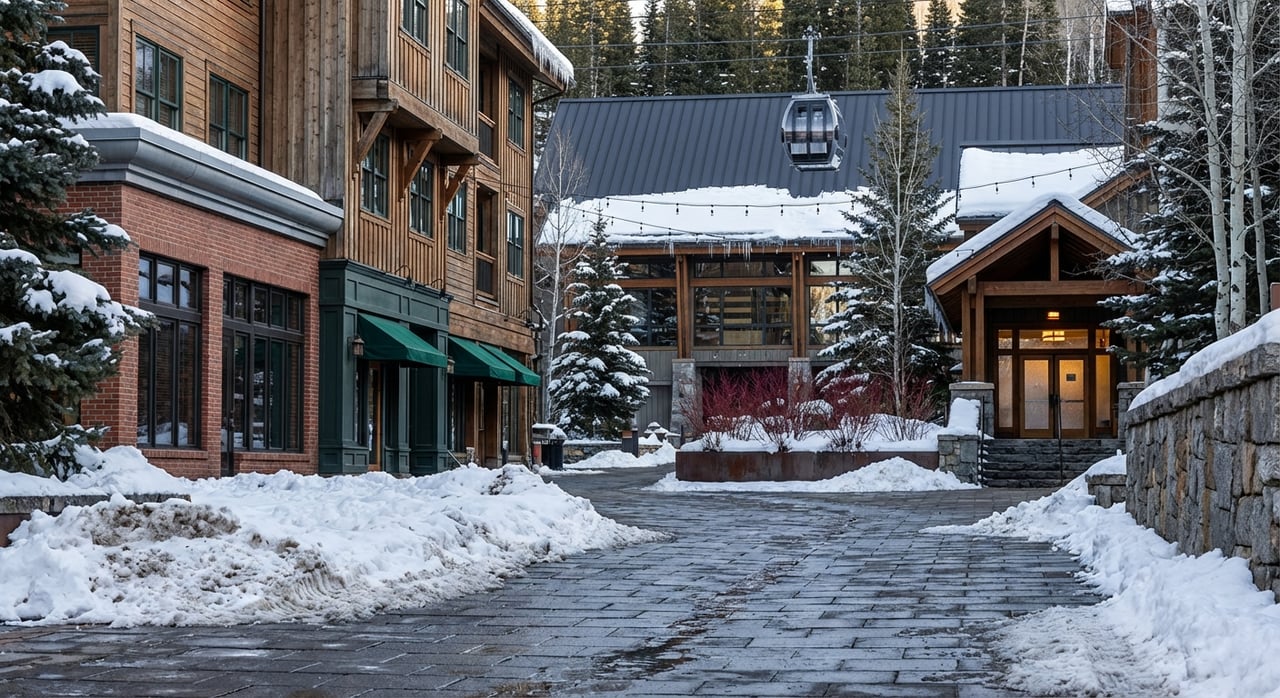
What if your daily “commute” was a quiet, 12-minute gondola ride over spruce forests and ski runs? If you are considering Mountain Village, that picture is close to reality. You want the ease of ski access, a lively summer season, and clear answers about costs and logistics before you buy. This guide gives you a grounded look at daily life, common ownership types, and the key expenses you should plan for so you can choose with confidence. Let’s dive in.
Mountain Village sits at roughly 9,545 feet on the shoulder above historic Telluride. It is a planned, pedestrian-oriented resort town with a compact village core and a mix of neighborhoods that extend along the slopes and ridge lines. The village was developed from a 1980s PUD and incorporated in 1995, designed to complement Telluride with mid-mountain access and open plazas. You will find a small full-time resident base, a steady visitor flow in peak seasons, and services clustered near the plazas. For history and orientation, explore the town’s overview of how Mountain Village was planned and built.
The free gondola connects Mountain Village with the Town of Telluride. It runs in regular service windows in summer and winter, with scheduled closures in the shoulder seasons for maintenance. Typical ride time is about 12 to 13 minutes, cabins are wheelchair accessible, and many support pets and bikes depending on the season. When service pauses for inspections, a bus replacement operates. If you plan to dine, work, or attend events in town, your schedule will often align with the gondola’s operating rhythms.
Mountain Village offers a wide range of ownership options. What you choose comes down to how you plan to use the property, your desired service level, and your budget.
Service level is the main split. Full-service buildings handle staffing, housekeeping, and amenities on site, and many provide streamlined rental management. Private condos and townhomes rely on their HOAs, which vary by building. Some include snow removal, trash, and parts of building insurance, while others keep fees lean and put more responsibility on you. Town services and the owners association also support the community fabric with events and transportation.
Before you buy, review the building’s governing documents, budgets, and reserve studies so you know what is included, what is not, and how capital projects are funded.
Owning in Mountain Village comes with a few unique line items. None are complicated if you plan ahead.
Mountain Village properties can be subject to a Real Estate Transfer Assessment, known locally as RETA, that funds community services including gondola operations. The current rate is 3 percent on eligible transfers. Confirm whether a property is subject to RETA early in escrow. You can read the association’s overview here: TMVOA RETA information.
In addition to your building’s HOA, many owners pay a monthly Telluride Mountain Village Owners Association assessment. Rates vary by unit class. TMVOA adopts rates annually, and the resolution shows the per-unit schedules. Review the current assessment schedule so you know your category and monthly cost. See the adopted assessment rates.
San Miguel County calculates property tax by applying the local mill levy to your assessed value. For Mountain Village tax districts, recent county reporting shows a combined levy in the mid-50s mills. Your actual bill depends on your parcel’s assessed value and tax area. For an estimate tied to a specific property, use the county’s Property Information Online portal or ask your title team.
Electric service is provided by the regional cooperative, and many buildings use a mix of electric and gas systems. If you plan to explore solar or energy upgrades, review the town’s solar energy information and confirm your building’s metering and approvals process in advance.
Expect managed parking and a permit culture. The town operates paid and permit lots with seasonal rules, and many buildings have limited assigned stalls. If you plan to keep a car on site, review local policies and your unit’s parking assignments. Start with the town’s parking overview. Even if you rely on the gondola, a winter-capable vehicle is helpful for airport trips, grocery runs, and off-season closures.
Vacation rentals are regulated. Owners must obtain a business license and ensure lodging taxes are remitted. Some online platforms collect certain taxes, but you are still responsible for licensing and any taxes on direct bookings. Review your building’s rental rules and the town’s sales and lodging tax FAQs.
The town supports a significant deed-restricted housing program through the Mountain Village Housing Authority. If you are considering a deed-restricted property, understand the eligibility rules and resale requirements. Even if you are not, it is useful context for staffing, services, and the local rental landscape.
At altitude, snow management is part of daily life. Town code and plats include recorded easements for snow storage and emergency access, which can affect driveway design and site work. Review the municipal code for baseline development standards and confirm HOA snow-removal plans.
Roof loads, freeze-thaw cycles, and mechanical systems all need attention. In condos and townhomes, confirm what the master HOA policy covers versus your individual policy, and review the reserve study and special assessment history. Detached homes need larger systems budgets and winter-prep plans.
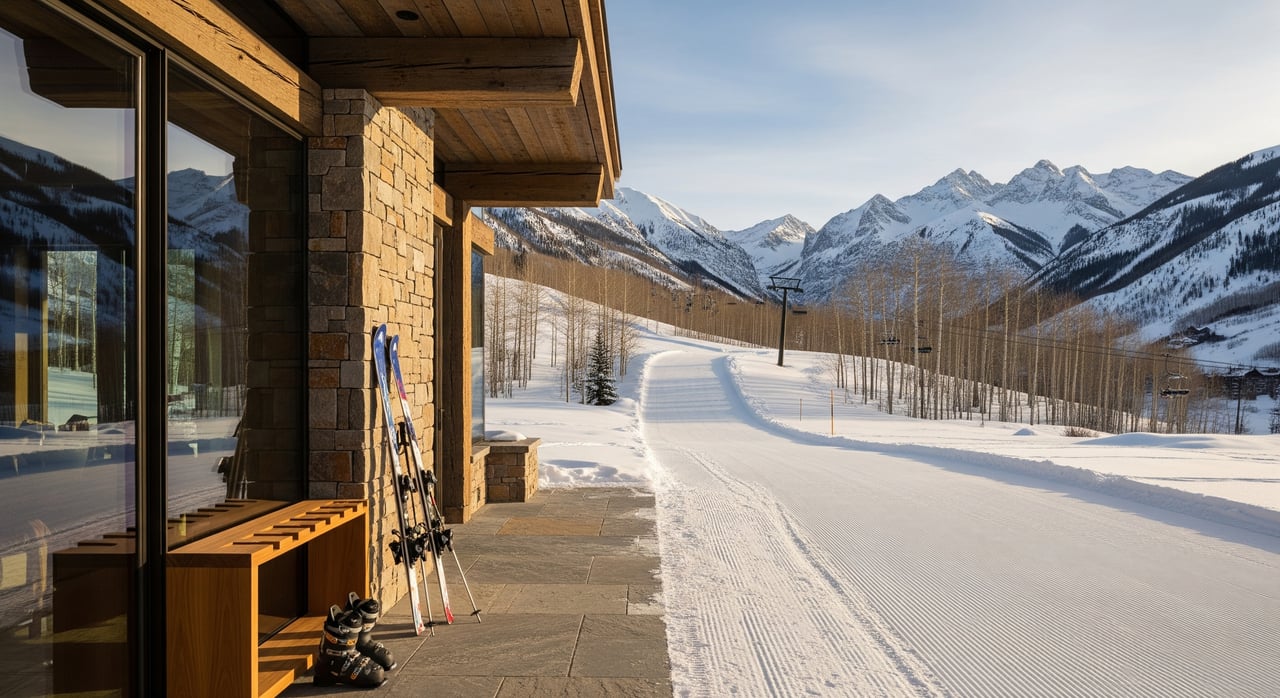
Winter delivers lift access and a true ski village feel. Many homes are ski-in or very near mid-mountain lifts by design. Summer brings hiking, biking, golf, and a full calendar of regional festivals. Expect visitor surges around peak events. Trails and outdoor access are a planning priority, and the town continues to invest in a connected trail network.
If you plan to host friends or rent seasonally, set expectations about noise and crowding during festival windows and about shoulder-season calm. The gondola and plaza programming shape that flow.
Use this short list to get organized early in due diligence:
If you are undecided, start with your calendar. How many weeks will you realistically be here in winter and summer. Then match service level to lifestyle. Finally, model the carrying costs with RETA, TMVOA, HOA, utilities, and property taxes included so there are no surprises.
Mountain Village is a special place to own, and the details matter. A clear plan for service levels, parking, rental strategy, and assessments will make your purchase smooth and your time here easy. If you want discreet, high-touch guidance from a long-tenured local broker, connect with Allison Templin to map your options and move at your pace.
Stay up to date on the latest real estate trends.
A private mountain property gaining national attention.
Allison joined the Telluride Properties team in 2002 and is extremely excited to be working with the region’s premiere real estate agency as well as with many of Telluride’s most successful real estate brokers. She looks forward to helping newcomers find their special Telluride property and assisting established residents and second-homeowners in finding new homes.