Telluride vs Mountain Village: How To Choose
Torn between the charm of historic Telluride and the convenience of on-mountain Mountain Village? You are not alone. Each offers a distinct feel, different property options, and real cost differences at closing and while you own. In this guide, you will compare vibe, property types, price context, transfer costs, short-term rental taxes, and ski access so you can choose with confidence. Let’s dive in.
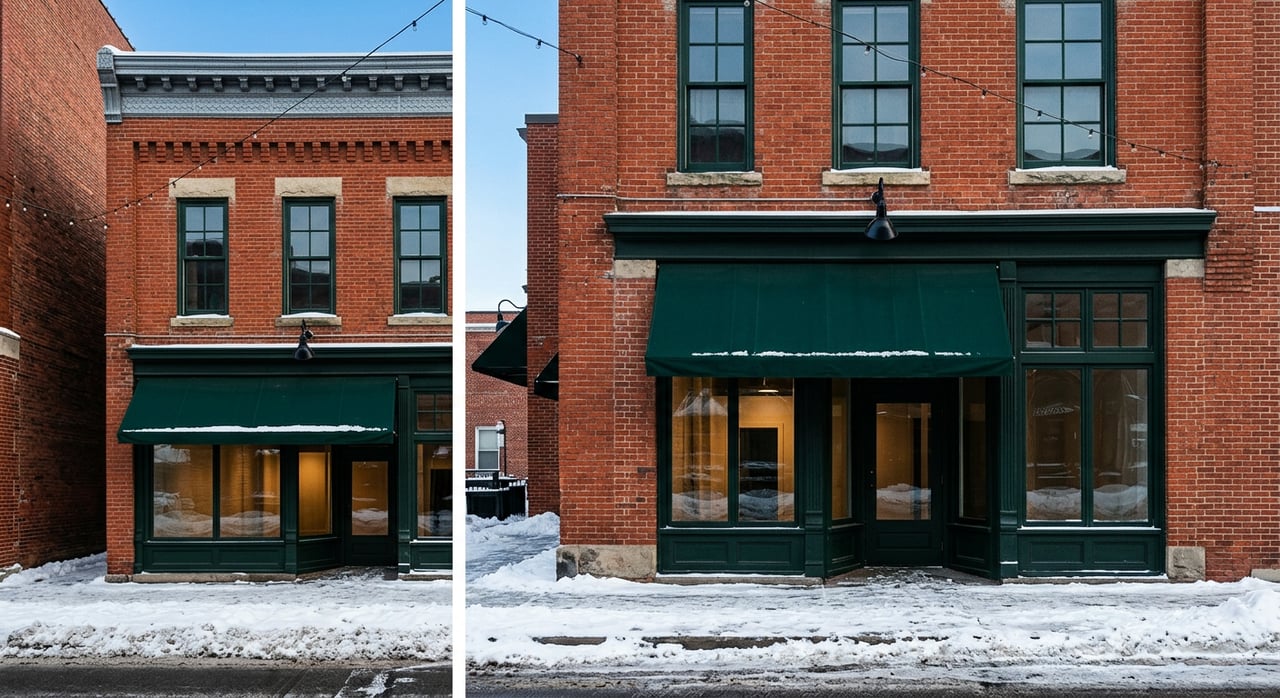
Telluride’s core is a designated National Historic Landmark district with Victorian-era buildings and a true main street. It feels like a classic mountain town with independent shops, restaurants, and a strong arts and festival calendar. If you want to step out your door to coffee and dinner, and you value character over new-build density, town living fits well. Learn more about the district’s status from the National Park Service’s listing of the area’s historic fabric here.
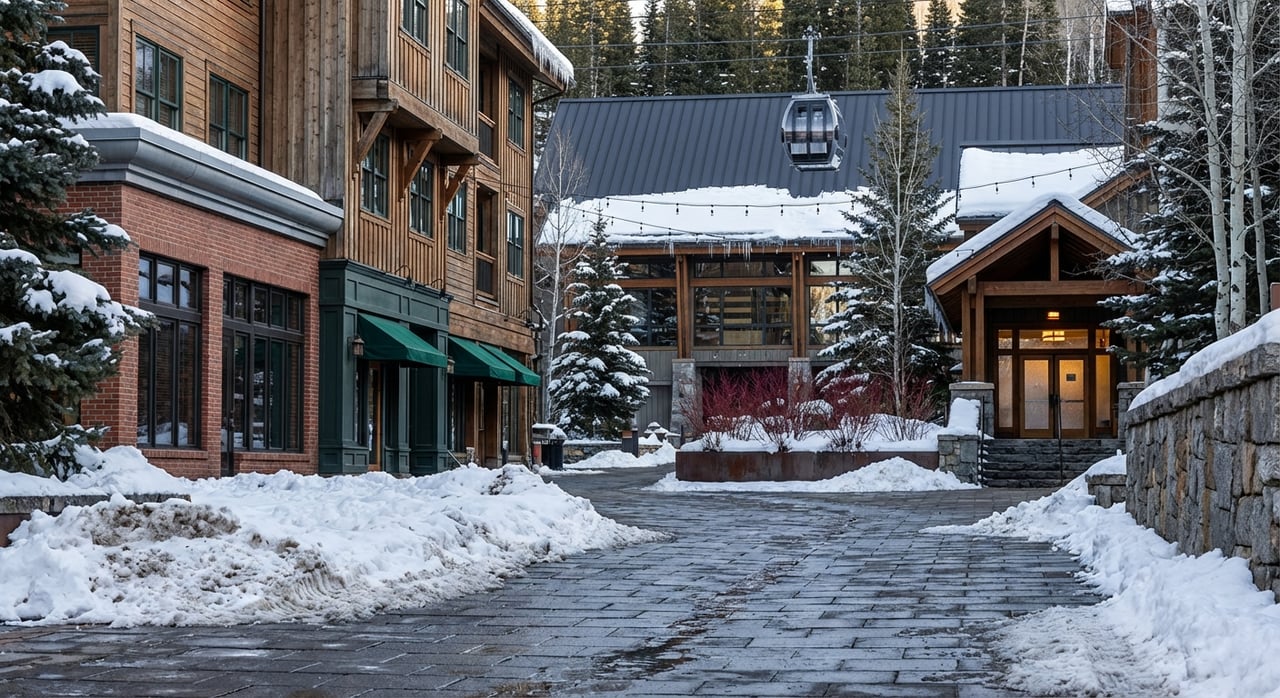
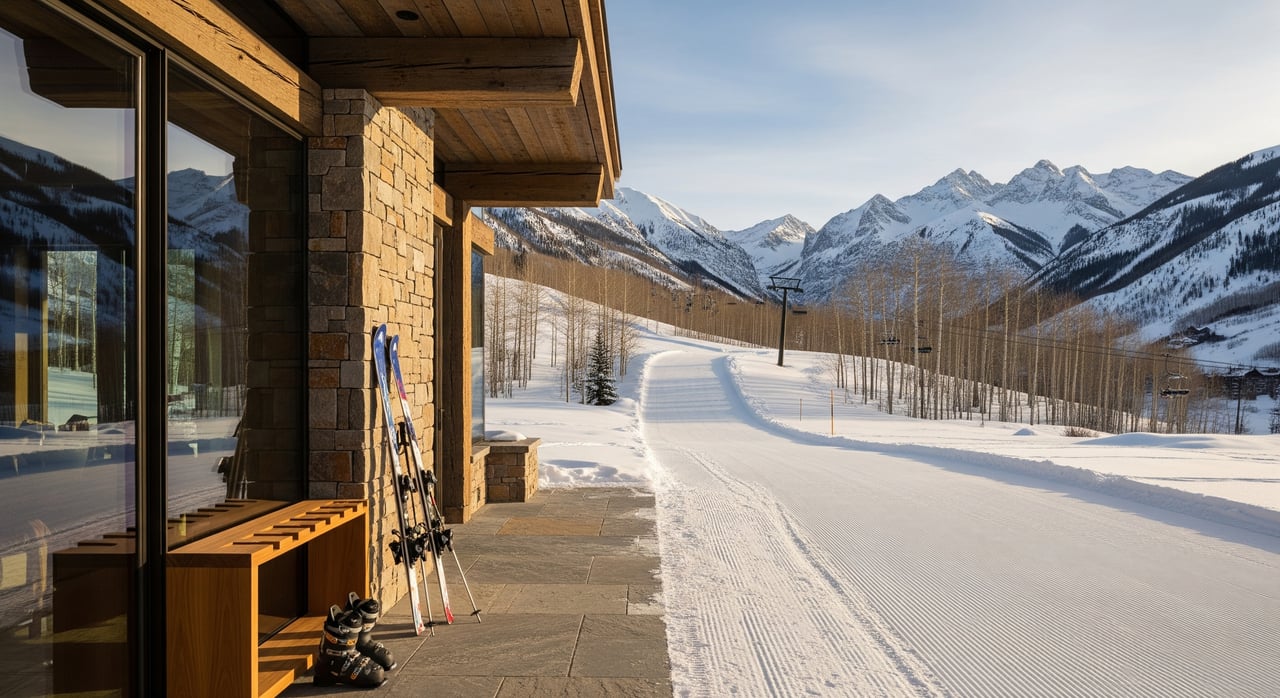
Mountain Village sits above town with pedestrian plazas, newer construction, and most base-area services like parking and resort dining. The village was designed to be the on-mountain hub, which is why you will find many ski-in and ski-out buildings and easy guest logistics. If lift access and modern condo living are top priorities, Mountain Village tends to deliver. Read more about the village’s design and governance on the town’s overview page here.
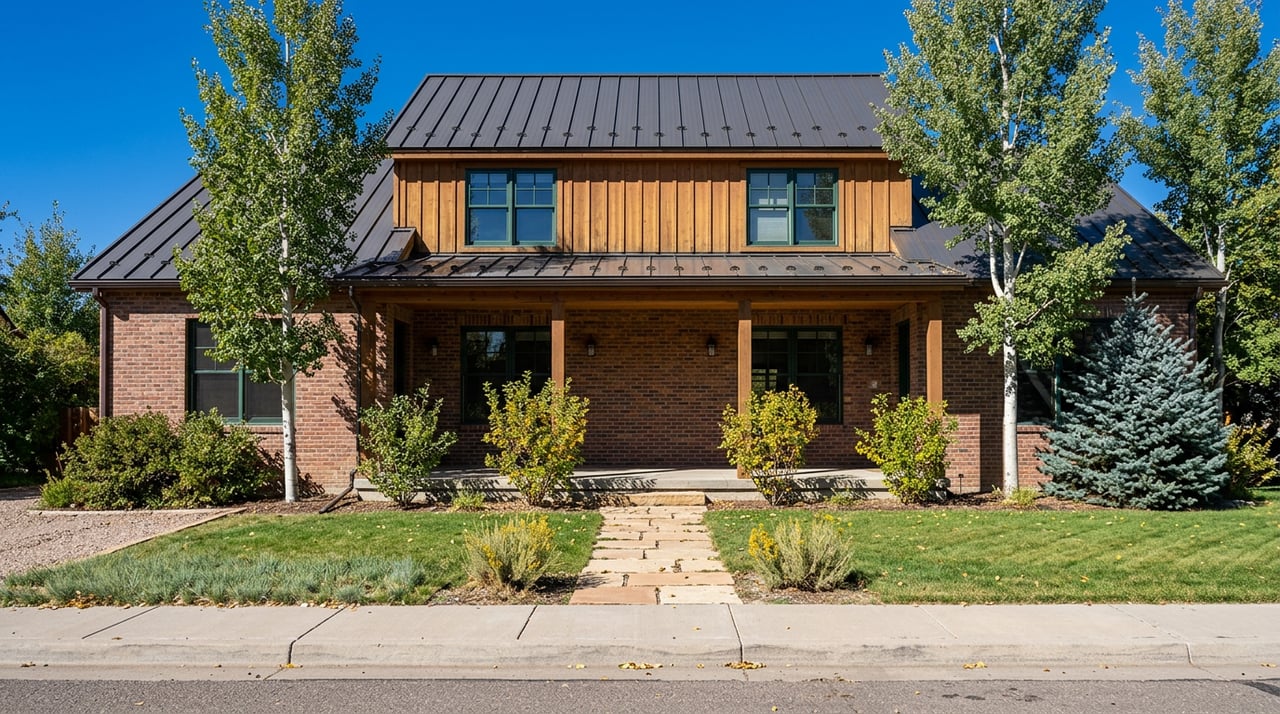
Town has a higher share of historic single-family homes and small, boutique condo buildings. Land is scarce within the historic core, which helps explain premium pricing for single-family properties over time. Newer, large-scale ski-village style condo projects are less common in town, though many condos are within walking distance of lifts and the gondola.
The village offers a larger inventory of condominiums and townhomes, plus planned single-family neighborhoods. Many buildings were designed for resort usage with efficiency units and condo zoning categories. If you are evaluating rental options or intended-use rules, the town’s condominium zoning designations explain use types and short-term definitions here.
Mountain Village maintains an active community housing program with a notable share of deed-restricted units. That reduces free-market inventory and shapes rental dynamics. If a listing is deed restricted, confirm eligibility, resale conditions, and any transfer assessment exemptions using the town’s community housing resources here.
Public market indexes show typical values for both areas in the low-to-mid 2 million range as of early 2026, with Mountain Village’s ZHVI near about 2.03 million and Telluride town’s typical values in the low-to-mid 2 million range. Treat these as broad indicators. Both markets are small, and a few high-end sales can move medians. For accuracy, pull 12 to 24 months of closed MLS comps for the specific building or micro-neighborhood and property type.
Purchases within the Town of Telluride are subject to a Real Estate Transfer Tax of 3 percent. The town publishes exemptions in the municipal code, and title companies customarily collect the RETT at closing. Review current details and FAQs directly with the town here.
Most Mountain Village transfers are subject to a 3 percent Real Estate Transfer Assessment that funds TMVOA activities, including gondola-related support. This is an association assessment rather than a municipal tax, and exemptions can differ from town rules. Learn more about the village’s governance and funding context here.
Practical takeaway: the figure at closing often looks similar in both places, but the underlying rules and exemptions differ. Confirm who pays per your contract and verify exemptions with your title company.
Short-term rentals in town must register and remit local taxes. The town publishes the combined lodging tax picture, and the total for many STRs adds up to about 17.22 percent when you combine town, county, and state components. Owners remain responsible for compliance even if platforms collect part of the tax. Review the town’s tax page here.
In Mountain Village, STRs are typically subject to a combined 9.47 percent sales tax plus a 4 percent lodging tax and a 1.25 percent visitor benefit tax. That commonly cited total comes to about 14.72 percent on gross lodging receipts. See how the town administers sales and lodging taxes, including remittance details, here.
Condo HOAs often set their own rental rules like minimum stays or caps. In Mountain Village, zoning and building designations clarify intended uses for short stays. Before you rely on projected revenue, confirm HOA covenants, license requirements, and whether a platform remits all or only part of the taxes.
Telluride-area STRs can command strong seasonal rates, but true net yield depends on taxes, HOA dues, management, utilities, and maintenance. Build a conservative pro forma that tests sensitivity to lower rates or occupancy. Compare the same bedroom count, in the same building or immediate area, for the clearest picture.
Mountain Village is the main base area, so you will find many ski-in and ski-out options and shorter walks to lifts. Telluride town sits lower in the box canyon, with fewer directly on-mountain units, yet you can still walk to lifts and connect to the slopes with ease.
The Telluride–Mountain Village gondola currently operates as a free, year-round connector with posted hours and seasonal schedules. It is a signature convenience that links the two cores for residents and guests. Check current schedules and resort information here.
Mountain Village offers structured parking near the gondola, which simplifies guest arrivals and luggage handling. Telluride’s downtown is more constrained, so consider how your household or guests will park and move around during peak seasons.
Choose Telluride if you value:
Choose Mountain Village if you prioritize:
Use this simple test to compare properties side by side:
When you are ready for a calm, data-backed process tailored to your goals, connect with Allison Templin for local guidance and thoughtful representation.
Stay up to date on the latest real estate trends.
Allison joined the Telluride Properties team in 2002 and is extremely excited to be working with the region’s premiere real estate agency as well as with many of Telluride’s most successful real estate brokers. She looks forward to helping newcomers find their special Telluride property and assisting established residents and second-homeowners in finding new homes.